Learning how to prevent knot bleed when painting wood is one of the most important steps in achieving a smooth, professional looking finish. Whether you are refreshing interior trim, repainting cabinets, or tackling exterior wood surfaces, knot bleed can quickly undo hours of careful work.
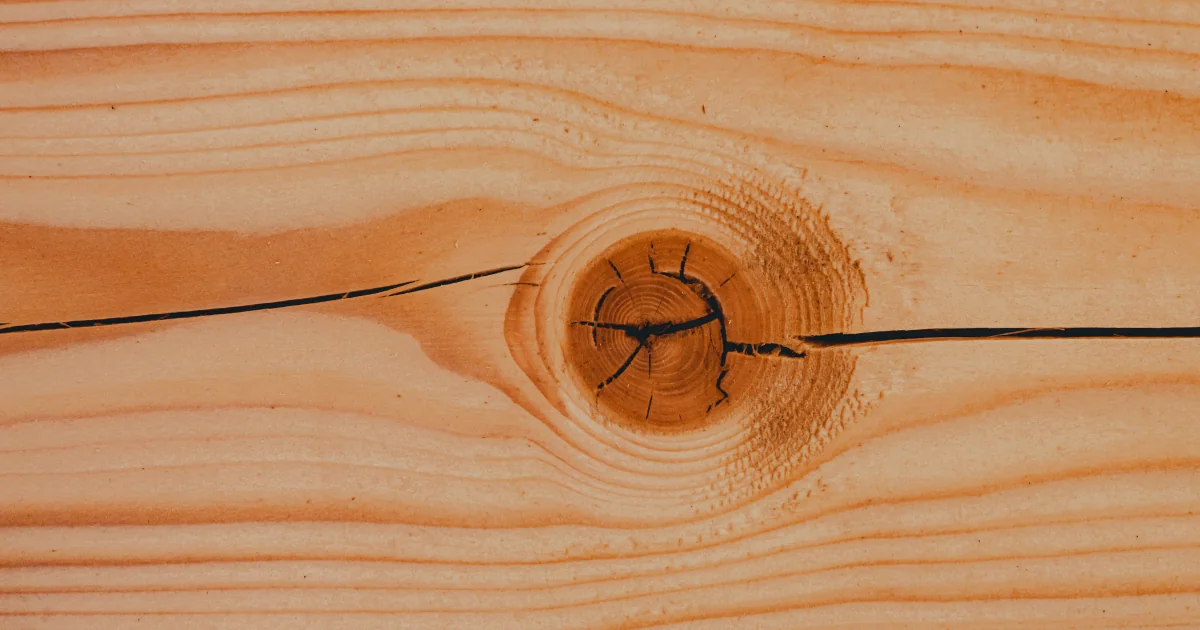
Wood naturally contains sap and resins, especially around knots. If these areas are not sealed correctly, those substances can seep through paint and create yellow or brown rings after the paint dries. The good news is that with the right preparation and products, knot bleed is completely preventable.
At A.G. Williams Painting Company, we help homeowners across New York and Connecticut get lasting, beautiful paint finishes. Below is our step by step guide to preventing knot bleed and painting wood the right way.
Why Knot Bleed Happens in Painted Wood
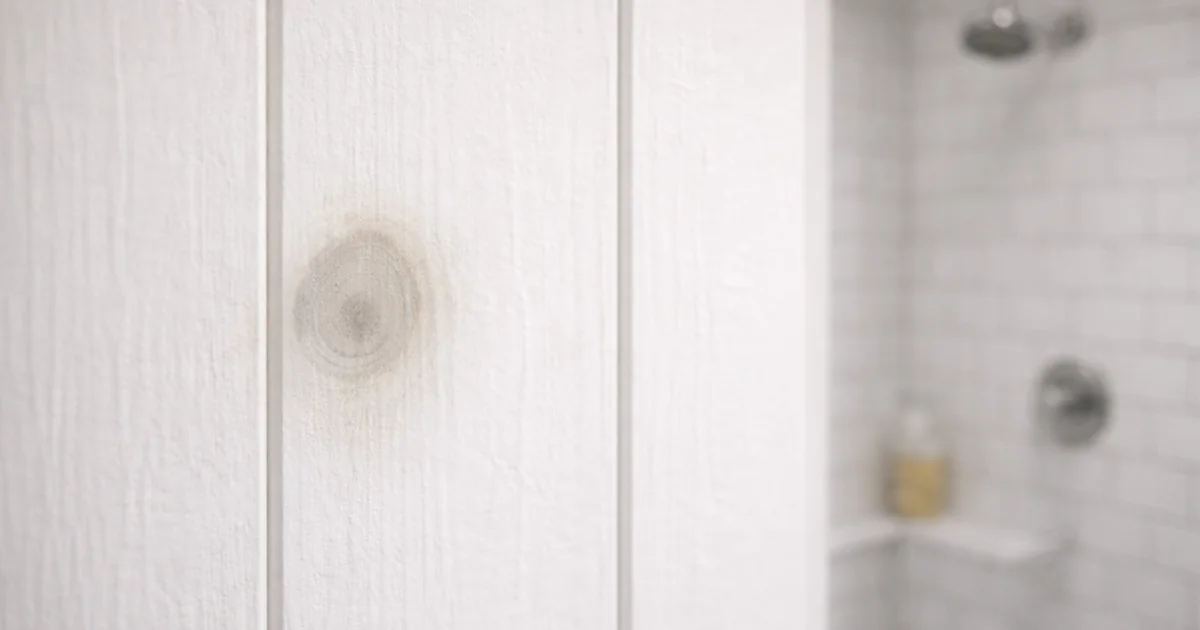
Before diving into the solution, it helps to understand the problem. Knot bleed occurs when natural tannins and sap in the wood migrate through paint layers. This usually happens because:
- The wood was not properly sealed
- The wrong type of primer was used
- The surface was not cleaned or prepped thoroughly
Pine, cedar, fir, and other softwoods are especially prone to knot bleed. However, any wood with visible knots can experience this issue if it is not treated correctly.
Step One: Clean the Wood Surface Thoroughly
The first step to prevent knot bleed when painting wood is starting with a clean surface. Dirt, dust, grease, and old finishes can prevent primers and paints from bonding properly.
For Interior Wood
- Remove grease, oils, and fingerprints with a mild cleaner
- Pay special attention to cabinets, doors, and trim near kitchens
- Rinse with clean water and allow the surface to dry completely
For Exterior Wood
- Power washing is ideal for decks, fences, and trim
- Remove mildew, pollen, and chalky residue
- Let the wood dry fully before moving on
If the wood already has a glossy finish, lightly sand or use a liquid deglosser so the new coating can adhere properly.
Step Two: Create a Smooth and Sound Surface
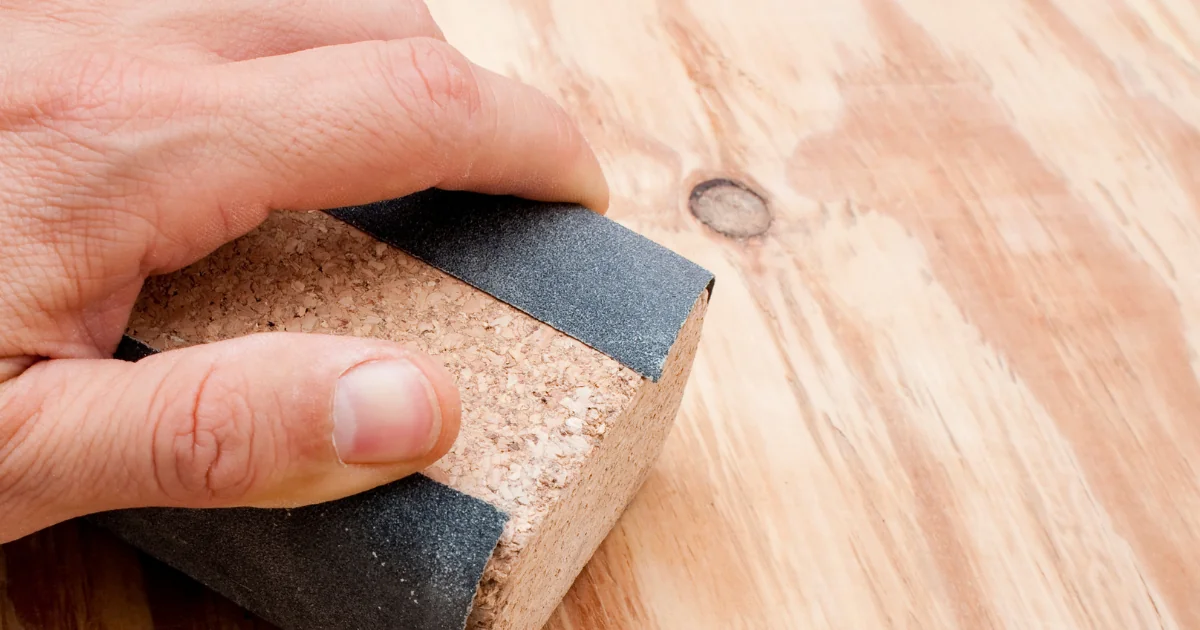
Paint highlights flaws, so surface preparation is essential. To prevent knot bleed and achieve a flawless finish, the wood must be smooth and stable.
- Fill nail holes, cracks, and dents with a quality wood filler
- Use a putty knife to keep repairs level
- Allow filler to dry completely
- Sand until the surface feels smooth to the touch
This step ensures your paint lays evenly and looks polished once finished.
Step Three: Prime Correctly to Block Knot Bleed
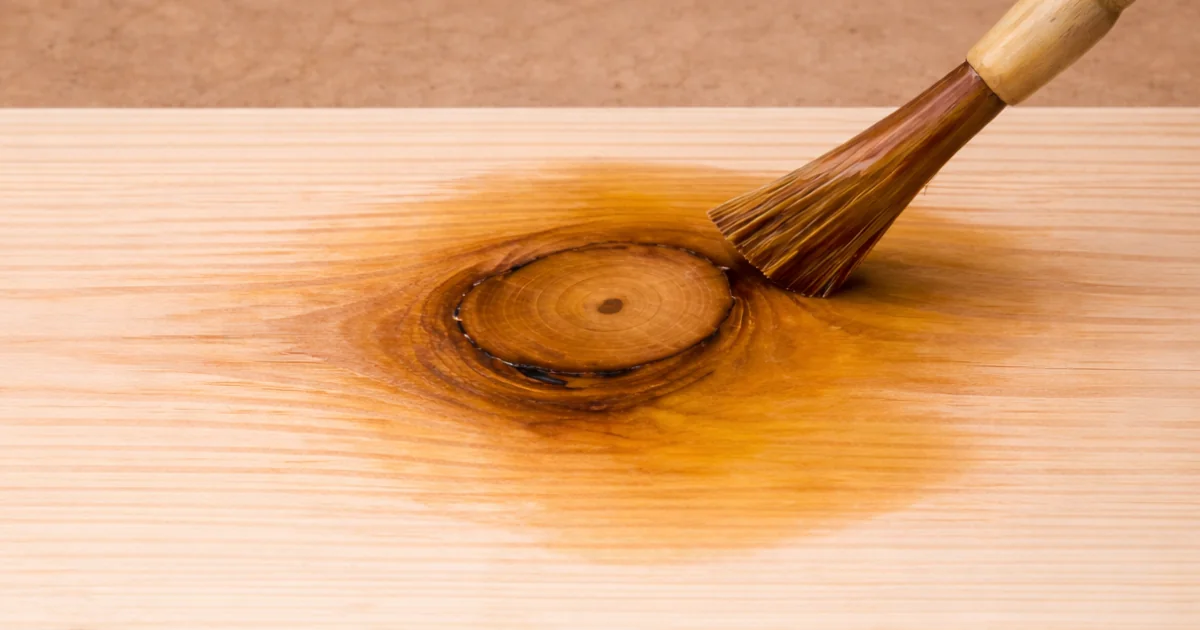
This is the most critical step to prevent knot bleed when painting wood.
Why Primer Matters
A high quality primer does more than help paint stick. It also:
- Seals wood pores
- Blocks tannins and sap
- Creates a uniform surface for topcoats
The Best Primer for Knot Bleed
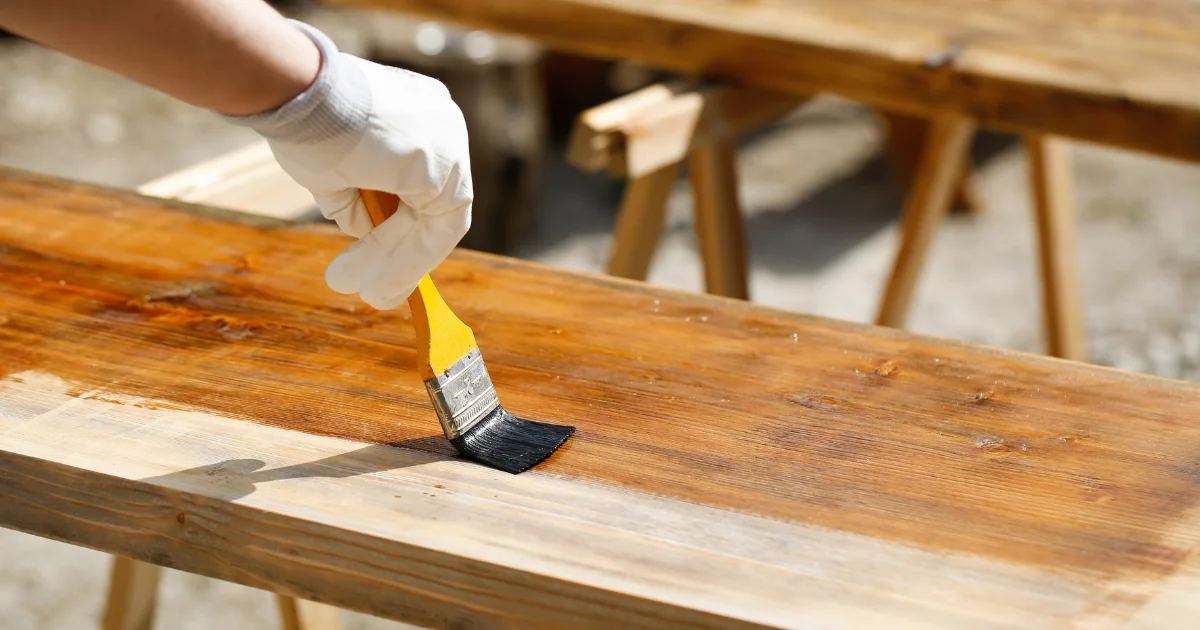
An alcohol based shellac primer is the gold standard for sealing knots. This type of primer:
- Dries quickly
- Locks in sap and tannins
- Prevents stains from bleeding through paint
Apply primer generously over knots and surrounding areas. For wood with heavy knots, priming the entire surface is often the best approach for consistent results.
Step Four: Apply the Right Paint the Right Way
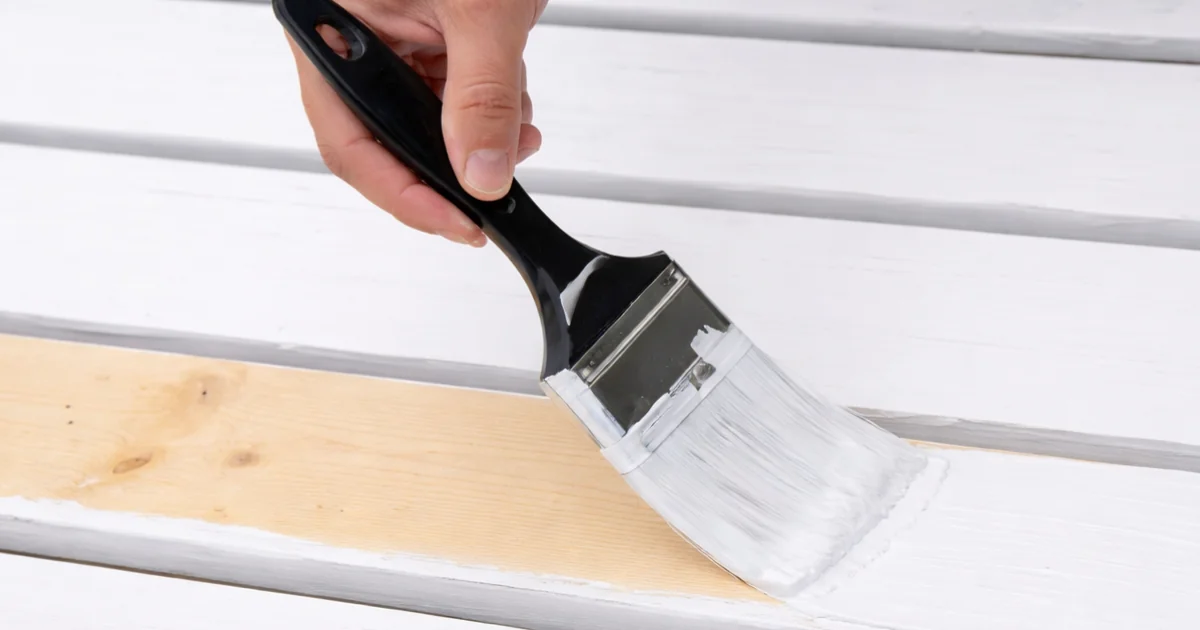
Once the primer has dried, you are ready to paint. Choosing the correct paint and application method makes a big difference in durability and appearance.
Tips for Best Results
- Use premium quality interior or exterior paint
- Match the paint to the environment and surface type
- Apply at least two coats for even coverageAllow proper drying time between coats
Brushes work well for trim, cabinets, and detailed areas. Sprayers are excellent for larger surfaces like fences or paneling when used correctly.
Common Mistakes That Cause Knot Bleed
Even experienced DIY painters can run into knot bleed when these steps are skipped:
- Using latex primer instead of shellac
- Painting over knots without spot priming
- Rushing prep and drying times
- Skipping sanding between steps
Avoiding these mistakes will dramatically improve your final result and help your paint job last longer.
When to Call a Professional Painter
Knowing how to prevent knot bleed when painting wood makes all the difference between a finish that looks great for years and one that shows stains within weeks. Proper cleaning, careful surface prep, the right primer, and quality paint work together to deliver professional results. If you are dealing with extensive knotty wood, historic trim, or high visibility surfaces, professional painting can save time and frustration.
A.G. Williams Painting Company uses proven prep methods and professional grade products to ensure knot bleed never becomes an issue. We’re always here to help. Our team understands how different wood types behave and how to treat them properly for long lasting beauty.