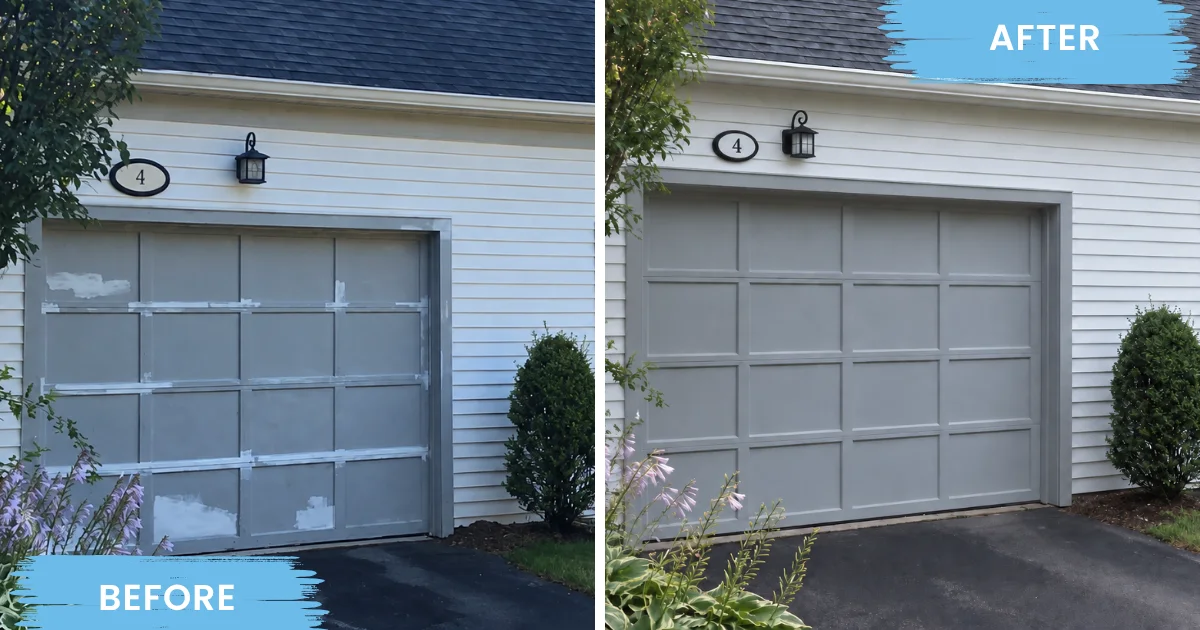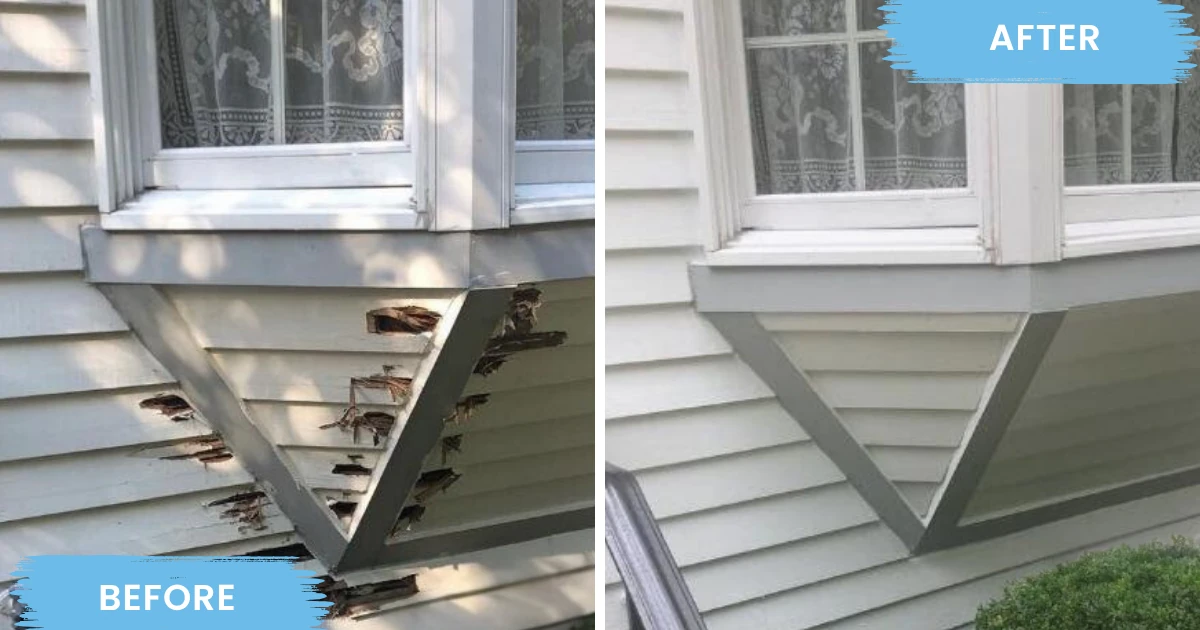
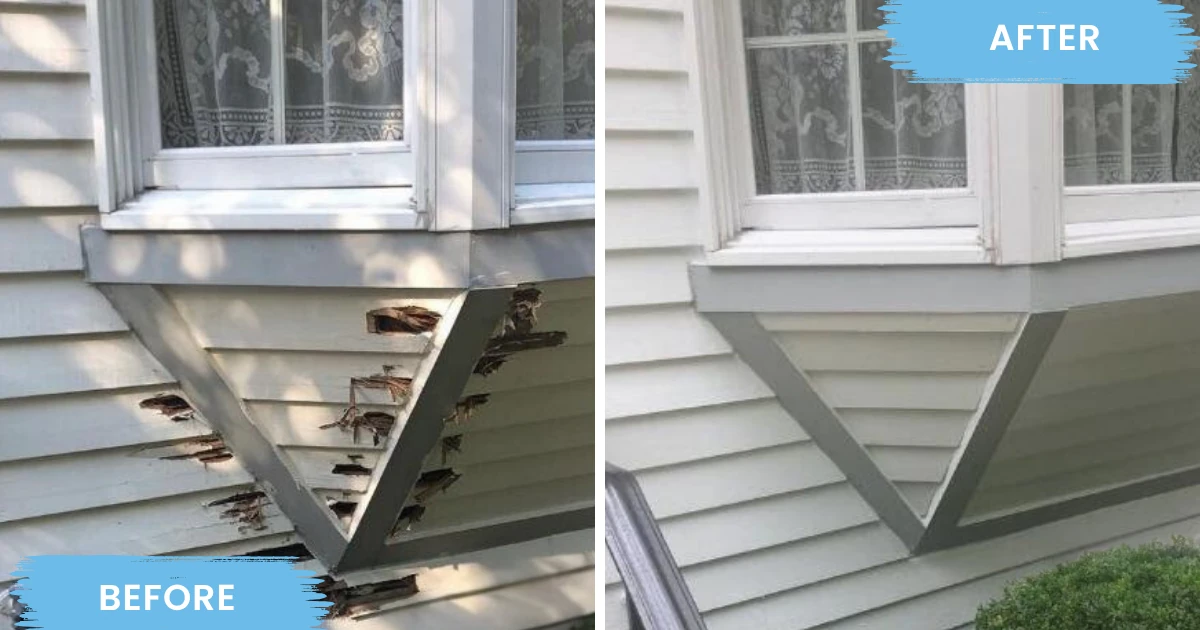
Replacing rotting wood is one of the most important steps you can take to protect your home's exterior. Our homes face intense sun, driving rain, snow, and freezing temperatures throughout the year. Over time, that constant exposure breaks down even the most durable exterior materials.
If you have noticed soft spots in your siding, cracked trim, or deck boards that feel spongy underfoot, you may be dealing with wood rot. Acting quickly can prevent further structural damage, improve curb appeal, and save you money in the long run.
At A.G. Williams Painting Company, our carpentry and painting teams regularly help homeowners identify and address wood rot before it becomes a much bigger and more expensive issue. Here is what you need to know about replacing rotting wood the right way.
What Causes Wood to Rot?
Wood rot develops when moisture lingers inside wood fibers for extended periods of time. When wood stays damp, fungi begin breaking down its structure, causing it to soften and deteriorate.
Rot is not the same as weathering. Sun faded, chalky, or slightly cracked wood is still structurally sound and usually needs nothing more than preparation and paint. Rot has gone further. The fibers themselves have broken down, and no amount of coating will restore them.
Several common issues contribute to wood rot:
- Poor drainage around siding or trim
- Clogged gutters and downspouts
- Cracked, shrinking, or missing caulk
- Peeling or failing paint
- Ground contact with untreated wood
- Snow buildup or ice dams
- Sprinklers constantly wetting one area
Homes in our region experience regular freeze and thaw cycles. Wood expands when it absorbs moisture and contracts when it dries. Over time, this movement can compromise paint and caulk, allowing water to penetrate even deeper.
Common Areas Where Rot Appears
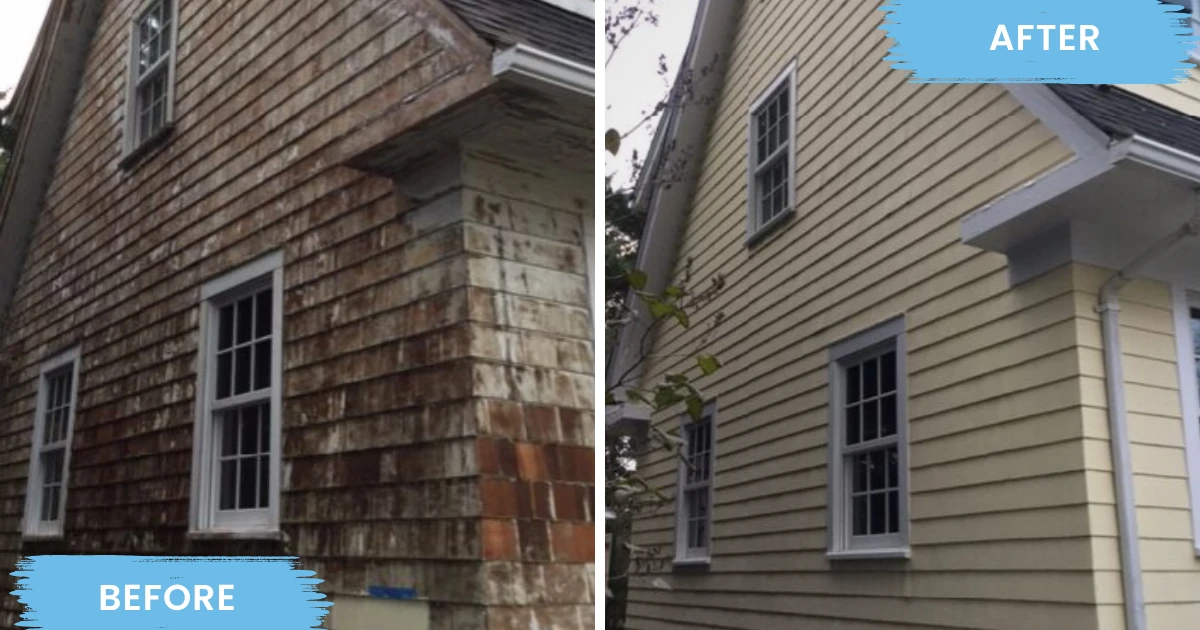
When it comes to replacing rotting wood, certain exterior components are more vulnerable than others.
Window and Door Trim
Trim boards around windows and doors are frequent trouble spots. If caulking fails or flashing was not installed properly, water can seep behind the trim and remain trapped. Often, damage starts subtly and worsens over time.
Siding Boards
Horizontal siding boards can absorb moisture at their end cuts and seams. If paint begins to peel or crack, water can infiltrate the exposed wood beneath.
Butt joints between boards deserve particular attention. End grain absorbs water far faster than a board's face, so a joint that has opened even slightly will draw moisture in and hold it. Damage often shows up at these joints first while the rest of the run still looks sound.
Deck Boards
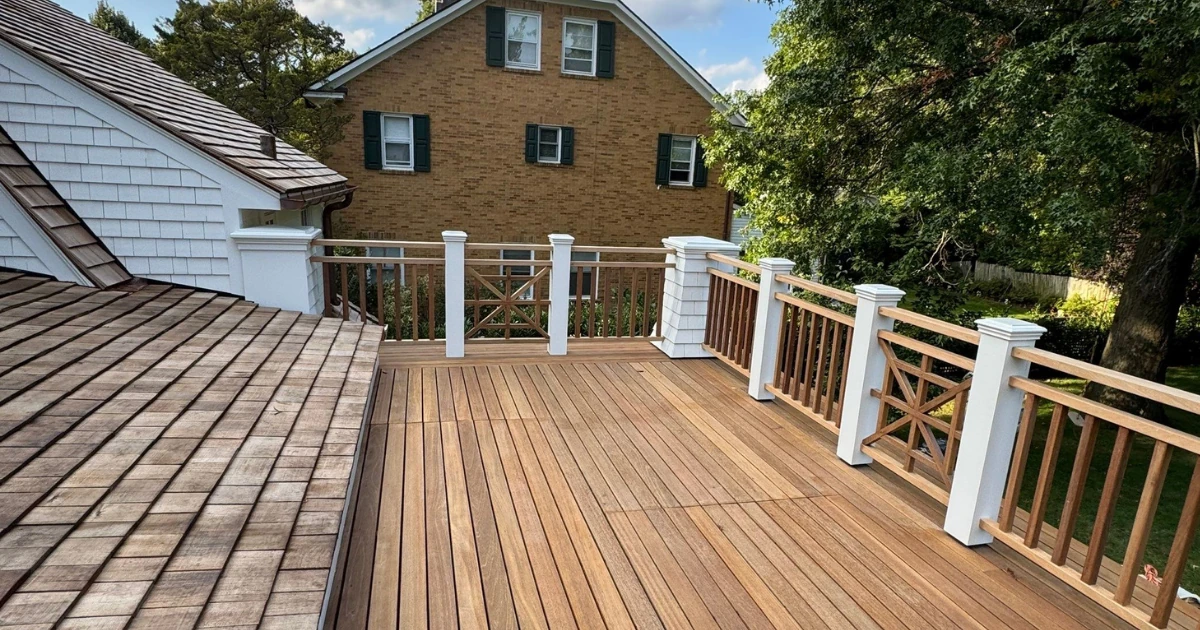
Deck surfaces endure rain, snow, UV exposure, and heavy foot traffic. Boards that do not dry properly between storms can soften and eventually rot.
Railings and Stairs
Railings, balusters, and stair treads are highly exposed to the elements. These components often deteriorate faster due to their thinner profiles and frequent contact.
Repair or Replace? Making the Right Decision
Homeowners often ask whether a small area of rot can simply be repaired. The answer depends on the extent of the damage.
A simple field test tells you most of what you need to know. Press a screwdriver or awl into the suspect area. If the tip sinks in easily, the damage runs deeper than the surface, and a coating will only hide it.
When a Small Repair May Be Appropriate
If the rot is very minor and limited to a shallow surface area, it may be possible to remove the soft wood, apply a wood hardener, and use an exterior filler. After sanding and repainting, the repair can blend in nicely.
This approach works best when:
- The structural integrity of the board is still sound
- The damage is localized
- The surrounding wood is dry and healthy
Why Replacement Is Often the Better Option
In many situations, replacing rotting wood entirely is the most reliable and long lasting solution. Some homeowners try to economize by cutting out only the damaged portion of a board and patching in a smaller piece.
While this may seem practical, it creates additional seams in the woodwork. Every seam becomes:
- A visual inconsistency
- A potential water entry point
- A long term maintenance concern
Replacing the full board results in a cleaner appearance and reduces the risk of future leaks or failure. It also ensures that the new material performs consistently across the entire length.
Full replacement does more than improve how the home looks. It also:
Protects Structural Integrity
Unchecked rot can spread beyond trim and siding into framing and sheathing. Early replacement prevents more extensive and costly repairs.
Improves Curb Appeal
Crumbling boards, soft edges, and peeling paint can make an otherwise beautiful home look neglected. Clean lines and freshly painted surfaces instantly elevate the appearance of your property.
Prevents Interior Damage
Water infiltration through rotted exterior components can lead to insulation damage, mold growth, and interior wall issues.
Supports Property Value
Well maintained exteriors give buyers confidence. Replacing rotting wood signals that the home has been cared for properly.
Why Proper Installation Is Critical
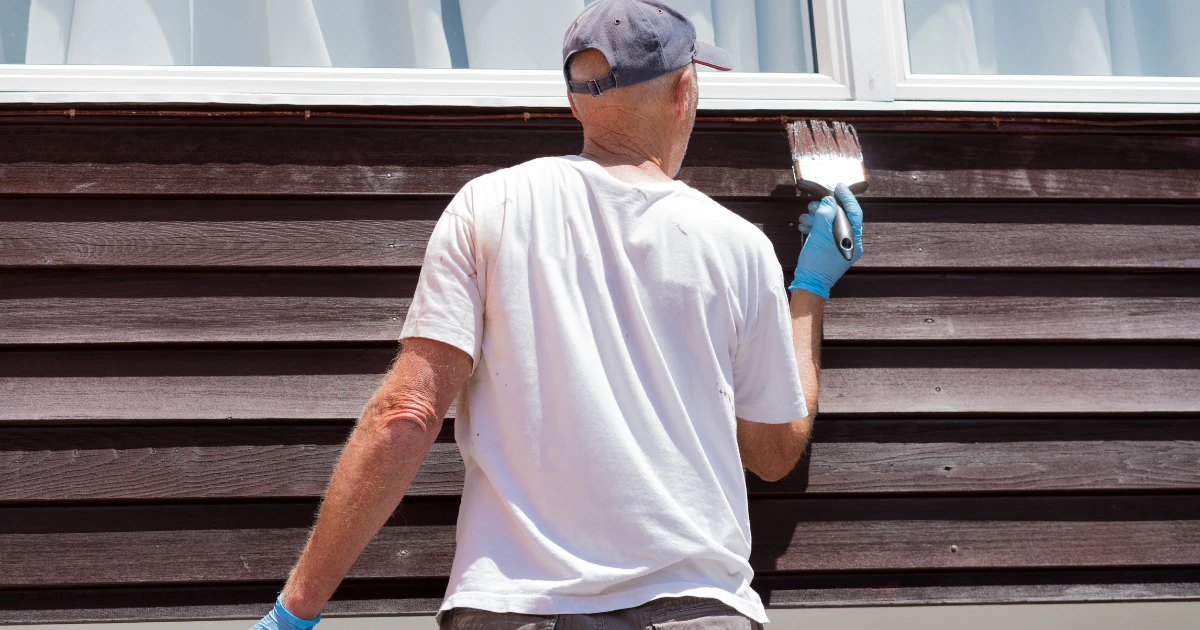
Replacing rotting wood is not simply a matter of swapping boards. The preparation and finishing process determine how well the repair holds up over time.
Prime All Sides of the Wood
One of the most important steps is priming every side of the replacement board, including the back and end cuts. Even surfaces that face inward or will not be visible must be sealed.
Priming all sides helps:
- Block moisture absorption
- Reduce swelling and shrinking
- Prevent warping
- Extend the life of the paint system
Skipping this step leaves the wood vulnerable to absorbing moisture from behind, which can lead to premature failure. The same rule applies to cuts made on site. Any board trimmed to length during installation exposes fresh end grain, and that cut needs primer before the board goes up.
Seal Joints Thoroughly
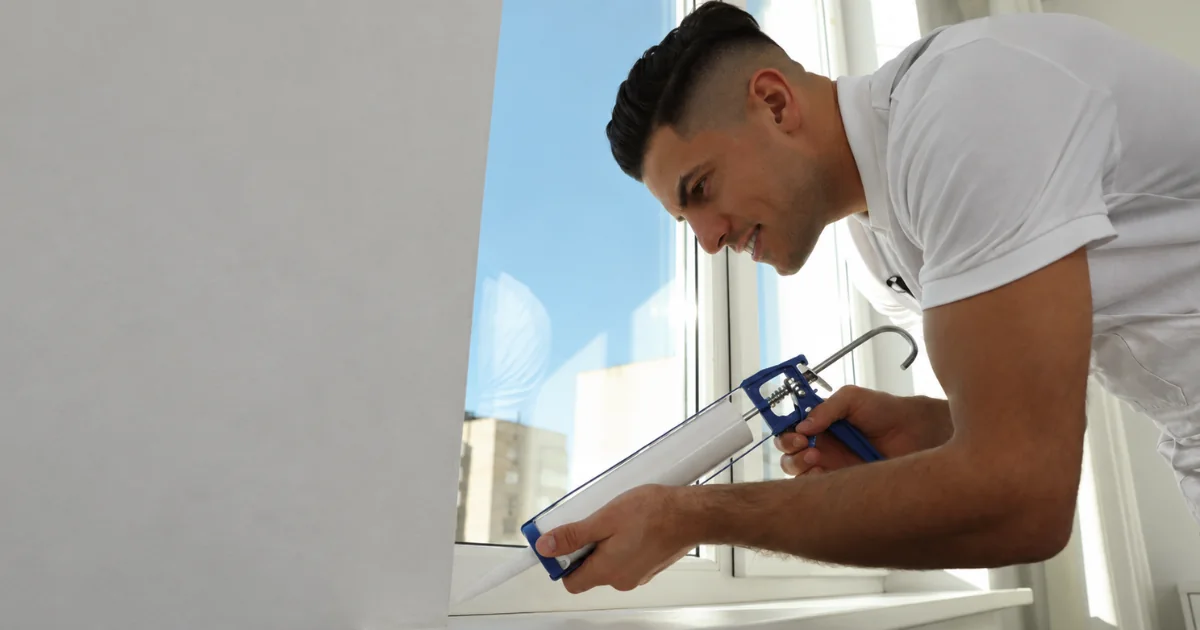
High quality exterior caulk should be applied at joints and transitions. Flexible sealants allow for seasonal movement while keeping water out.
Caulk is not a substitute for flashing. Where water is meant to shed, such as above a window or door, the flashing has to do that work. Sealing over a flashing problem traps moisture rather than shedding it, and the new board will fail the same way the old one did.
Apply a Protective Paint System
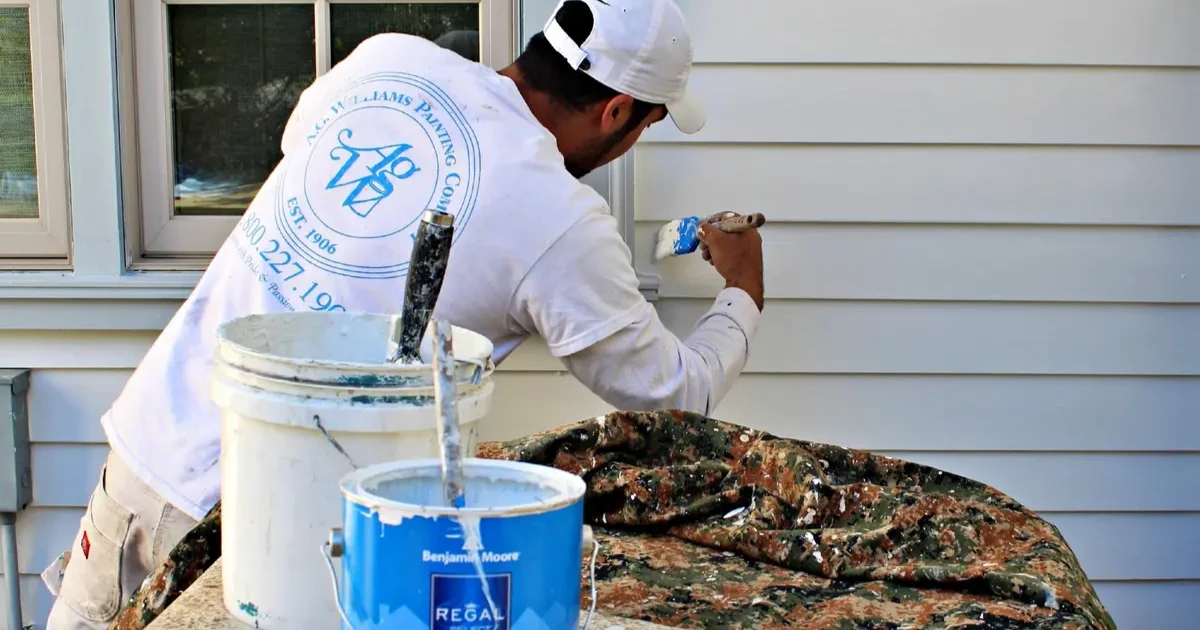
A premium exterior paint system acts as a protective barrier against weather exposure. Proper surface preparation, priming, and finishing work together to create a durable, attractive result. At A.G. Williams Painting Company, our carpentry and painting teams work together so that the repair and the finish are handled as one job rather than two.
Residential exterior repainting completed by our team is backed by our 5-Year Residential Paint Warranty.
Signs It Is Time to Call a Professional
It may be time to consider replacing rotting wood if you notice:
- Soft or spongy wood
- Paint that continues to peel in the same area
- Cracks that are widening
- Dark staining around joints
- Boards that crumble when pressed
A professional inspection can determine whether a repair is sufficient or if full replacement is the smarter choice. It also identifies the source of the moisture, which matters more than the board itself. Replacing wood without correcting what soaked it means doing the work twice.
Tips for Hiring the Right Contractor
If you are planning on replacing rotting wood, keep these tips in mind:
- Ask whether they prime all sides of replacement boards
- Confirm they use high quality exterior materials
- Request a clear explanation of repair versus replacement
- Look for experience in both carpentry and painting
- Read reviews and ask for local references
A professional contractor should explain the process clearly and stand behind their work.
Preventing Future Wood Rot
While replacing rotting wood is sometimes unavoidable, preventative maintenance can significantly reduce risk. A seasonal walk around your home catches most problems while they are still small.
Keep Gutters Clean
Overflowing gutters allow water to run down siding and soak trim boards.
Maintain Caulking
Inspect exterior joints annually and reseal cracks before water can enter.
Repaint on Schedule
Exterior paint systems typically need refreshing every several years depending on exposure and product quality. How long your exterior paint lasts depends heavily on preparation and materials.
Improve Drainage
Ensure soil slopes away from your foundation and downspouts direct water safely away from your home.
Trim Back Vegetation
Shrubs and branches resting against siding hold moisture against the wood and block the airflow that would otherwise dry it. Keep growth clear of the house.
Consistent maintenance protects your investment and extends the life of your exterior finishes.
A Smart Investment in Your Home
Replacing rotting wood is not just a cosmetic improvement. It is a proactive investment in your home's longevity, protection, and appearance. If you suspect wood rot on your siding, trim, deck, or railings, A.G. Williams Painting Company is ready to help. We provide professional evaluations and dependable repairs for homeowners throughout our New York and Connecticut service area.